Integrated collaboration: how does technology help achieve visibility across departments?
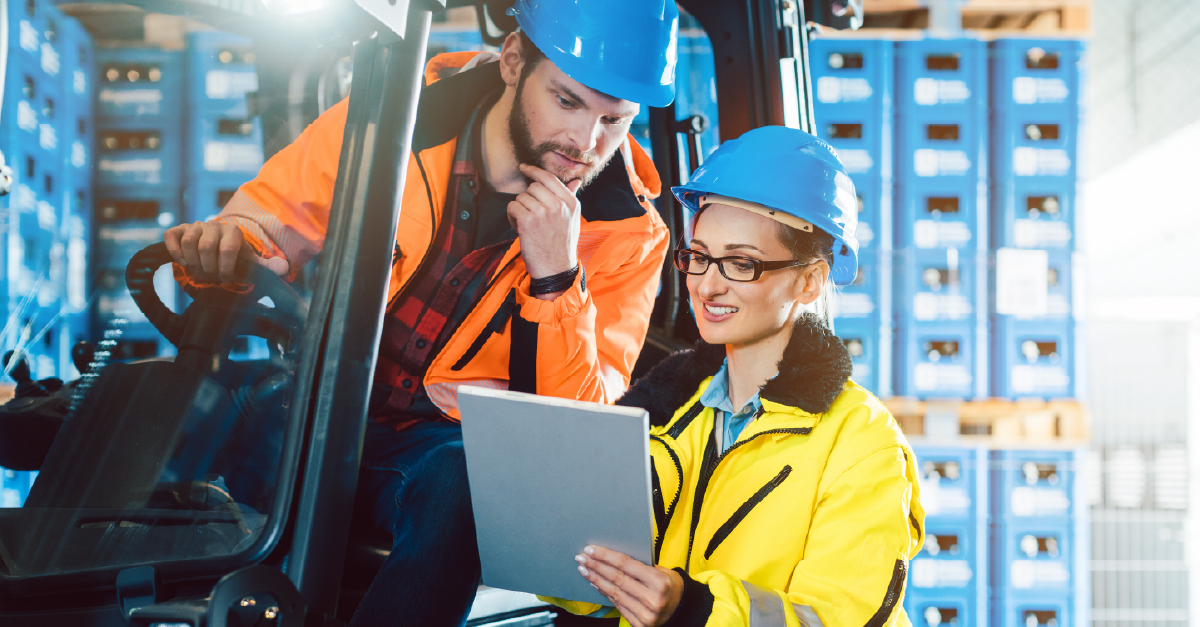
In industrial and distribution companies, collaboration between departments is not just an organisational ideal, but a strategic necessity to avoid disruptions in the value chain. The complexity of processes and the lack of cross-functional visibility are often the main causes of inefficiencies, delays and economic losses. In this context, technology becomes the great enabler of truly integrated collaboration, allowing organisations to anticipate and resolve bottlenecks before they impact production or distribution.
The challenge of cross-area visibility
Lack of visibility between different areas of an industrial or distribution company can have serious consequences. For example, if the procurement area does not share inventory levels with the production area in real time, this may result in unnecessary downtime or cost overruns due to last-minute purchases. According to the report “The digital transformation of Spanish industry” by Industria Conectada 4.0 (2022), the lack of integration and data sharing is one of the main obstacles to operational efficiency and agile decision-making.
The role of technology in integrated collaboration
Digital technologies have revolutionised the way companies manage collaboration between different areas. By using tools such as artificial intelligence (AI), the Internet of Things (IoT) and automation, companies can link processes, systems and people, providing a clear, real-time overview of what is happening at each step of the supply chain. This enables the flow of information across the board, which is then transformed into quick, collaborative decisions. This reduces the risk of interruptions to the supply chain and improves responsiveness to unforeseen events.
What are the key technologies at play?
AI, the Internet of Things, intelligent robotics… innovative tools are revolutionising collaboration between different operational areas, allowing them to forge connections and thus improve and streamline processes. Using AI and machine learning, companies have the capability to analyse large volumes of data generated by different areas of the business, which in turn allows them to identify patterns and anticipate needs. For example, by using demand prediction algorithms, companies can adjust production and procurement in real time, avoiding both stock shortages and surpluses. In addition, AI facilitates the predictive maintenance of equipment, reducing unexpected downtime and optimising resources.
For its part, the IoT (Internet of Things) connects sensors and devices throughout the supply chain, from warehouses to production lines and transport. This network of sensors allows companies to monitor equipment status, inventory levels and the location of goods in real time, and enables them to share this information between areas automatically. This increases visibility and facilitates collaborative decision-making.
When it comes to streamlining processes, eliminating repetitive tasks and reducing the margin for human error, intelligent robots have become extremely useful tools. On top of this, automated systems can immediately notify the areas involved of any incident or need for intervention, thus speeding up coordination and problem solving. According to the Connected Industry 4.0 report, technological integration of this kind is key to achieving flexible, resilient value chains.
Technological solutions: competitiveness and leadership
Some leading companies are already committed to digitisation and to integrating advanced technologies in order to improve collaboration between areas. Many are choosing digital platforms that connect all stakeholders in the production chain, enabling comprehensive and transparent process management. For technological solutions to be implanted successfully, it is essential that companies commit to platform integration, carry out ongoing employee training and opt for scalable technologies that allow growth according to business needs.
Integrated collaboration, enabled by technologies such as AI, the IoT and automation, is now a key factor in the competitiveness of industrial and distribution companies. Transforming isolated data into collaborative, effective decision-making allows companies to anticipate problems, reduce disruptions and respond quickly to market challenges. Adopting these solutions does more than give these companies an competitive advantage; it is a necessity for building strong, resilient value chains.
