Trade protection measures in the steel industry and new industrial investments in Spain
In September 2025, Spain, together with other European countries, promoted a package of trade protection measures for the steel industry, with the aim of countering global overcapacity and unfair competition affecting the sector. These measures seek to ensure the continuity and sustainability of steel production in Europe, a strategic sector that is essential to multiple […]
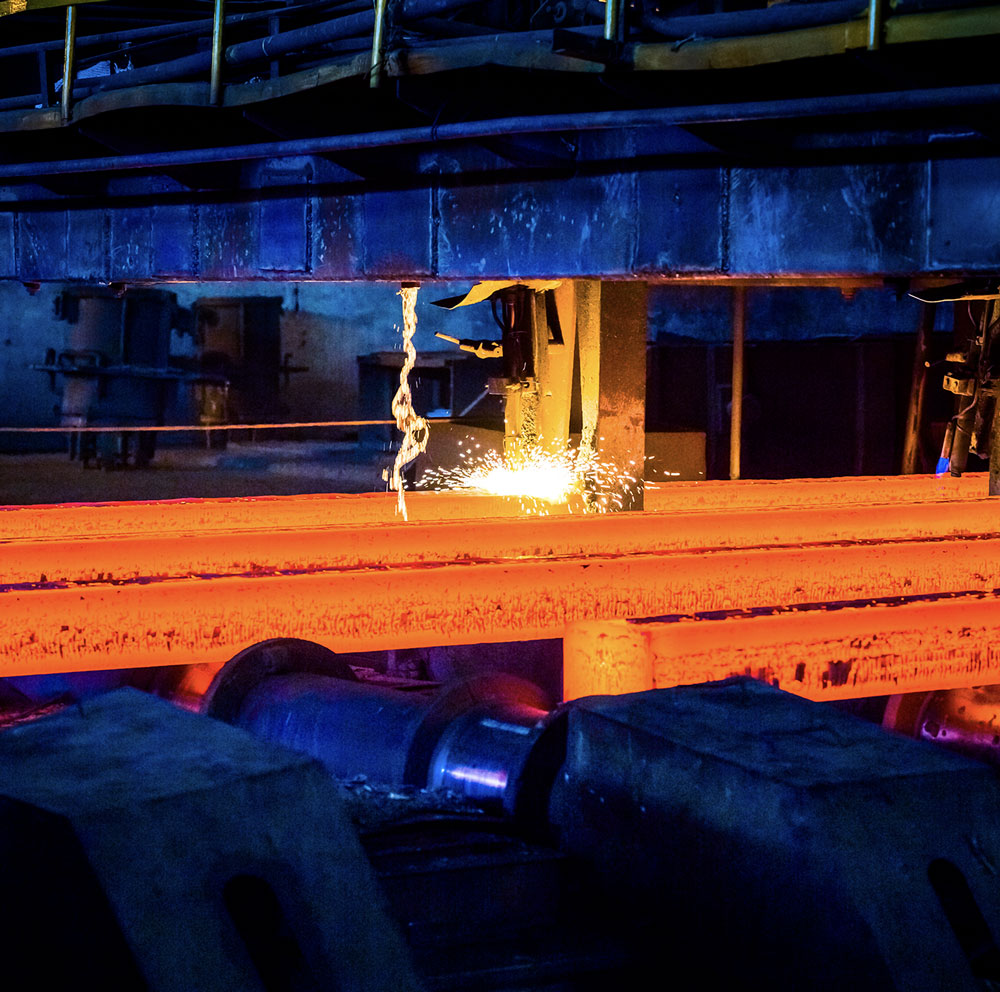
In September 2025, Spain, together with other European countries, promoted a package of trade protection measures for the steel industry, with the aim of countering global overcapacity and unfair competition affecting the sector. These measures seek to ensure the continuity and sustainability of steel production in Europe, a strategic sector that is essential to multiple industries, as well as to the regional and global economy.
Since July 2025, Spain has joined countries such as Austria, Belgium, Bulgaria, France, Greece, Italy, Luxembourg, Poland, Romania, and Slovakia in calling on the European Commission to strengthen trade defense mechanisms for steel. The Spanish employers’ association Unesid has formally requested the Ministry of Economy to demand a stricter framework to curb the massive imports of steel from third countries that fail to meet Europe’s high environmental and social standards. A proposal has been put forward to impose out-of-quota tariffs of up to 50%, without exceptions by country, in line with the tariffs that the United States has maintained since June 2025. These tariffs have closed the North American market to European steel, triggering a cascading effect in the redistribution of trade flows toward Europe and a direct negative impact on the competitiveness of the sector and industry at large.
Until 2025, the European Union imposed a 25% tariff on imports exceeding certain historical steel trade quotas. However, both the industry and European governments consider these measures insufficient to contain the surge in imports, which have risen by 23% since 2018, in a context where steel consumption within the EU has dropped by 16%. Furthermore, there has been a rise in imports of finished goods with high steel content, including metal structures, electrical components, and metal furniture—products that pose an additional threat to the European steel value chain.
According to Eurofer, the European Steel Association, the market is expected to stagnate throughout 2025, with prospects for recovery only from 2026 onwards, depending on an easing of trade tensions and an improvement in the global economy. The uncertainty created by the 50% U.S. tariffs and unfair competition—together with the persistent global overcapacity estimated at 721 million tons, largely attributed to China—creates a complex scenario for European steel, putting jobs and production at risk in countries such as Spain, where the sector generates more than 310,000 direct jobs and 2.2 million indirect jobs.
At the same time, the steel industry faces the dual challenge of modernizing its facilities to meet the EU’s decarbonization targets, while maintaining competitiveness amid Europe’s high energy costs. Spain and its European partners insist that the eco-sustainable transition must be accompanied by real investment and a solid industrial policy that allows fair competition while promoting demanding environmental and social standards. To this end, they call for immediate measures to be implemented starting January 1, 2026, to ensure a competitive and secure European steel market.
In parallel with these trade measures, Spain is experiencing significant momentum in industrial investment in 2025. According to official data up to May, investment in industrial projects exceeds €9.5 billion, with 1,494 projects launched across different sectors. These investments focus on renovations and new constructions that directly impact the industrial supply chain, strengthening production capacities, technological modernization, and the infrastructure needed for efficient distribution. This trend reflects a clear push for Spain’s industrial competitiveness and the resilience of national and European supply chains in complex geoeconomic contexts.
In summary, the steel sector in Spain and Europe is at a critical juncture due to the pressure of international tariffs, unfair competition, and the urgent need for a transition toward a more sustainable model. The new trade defense measures and the significant volume of industrial investments reflect a joint strategy to protect a vital sector and lay the foundations for a robust, innovative steel supply chain aligned with future environmental and economic challenges.
This combination of trade protection and industrial investment expansion is key to ensuring that the Spanish steel industry maintains its relevance in the global market and continues to be a driver of employment and regional economic development in the coming years.
