Tariffs and the supply chain
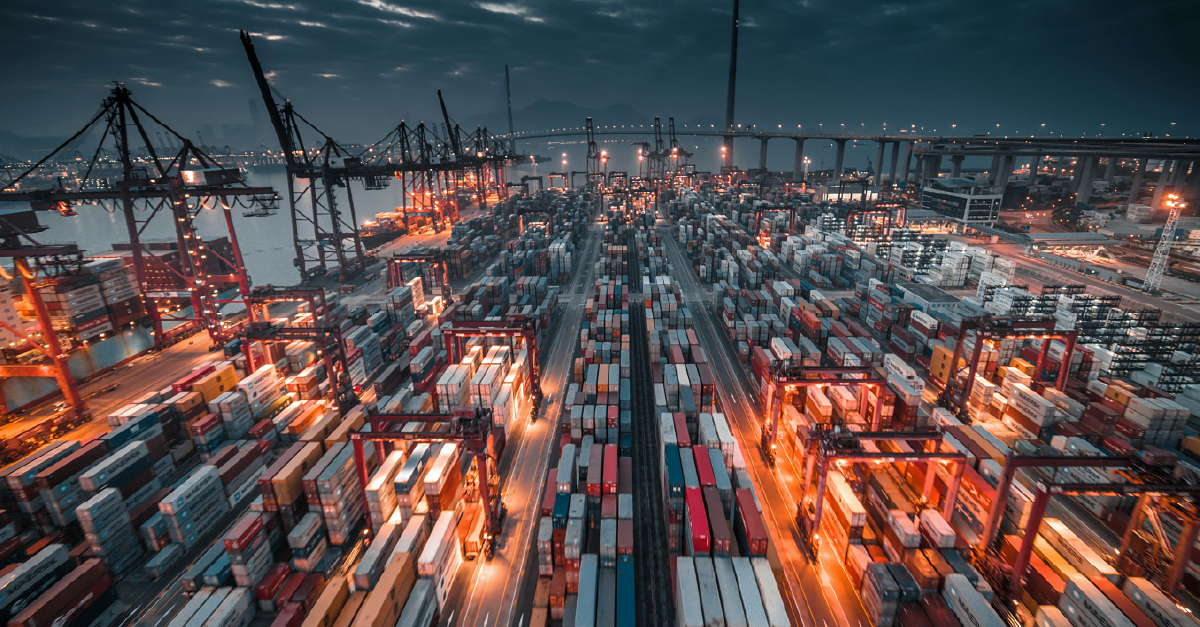
When discussing tariffs and the supply chain, attention tends to focus on the figures: how much prices have risen, which sectors are affected, what political consequences they may have. However, there is a less explored angle that is increasingly decisive for companies: the impact of tariffs on the elasticity and resilience of supply chains.
Beyond the immediate effect on costs, tariffs act as triggers for profound changes in logistics structures. They can lead to companies having to deviate from their established routes, deal with unexpected inventory build-ups, decide to relocate or even completely redesign their supply networks. Understanding this dynamic is key to anticipating, adapting and remaining competitive in an increasingly volatile global market.
Domino effect: from tariffs to logistical strain
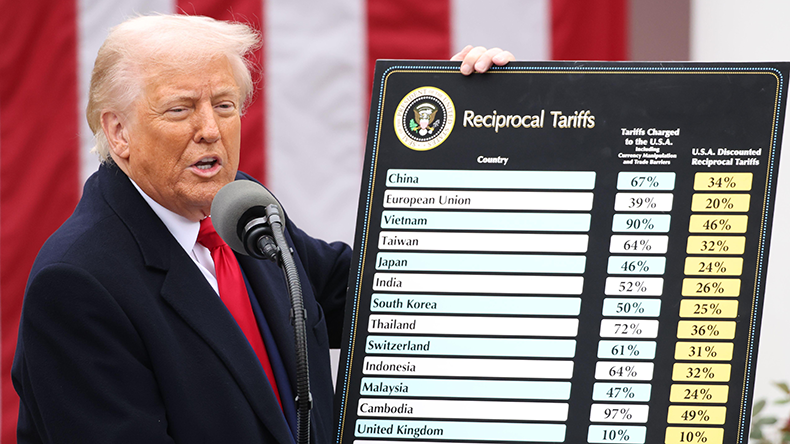
Let’s take a current example: the new US tariffs on Chinese products, pushed through by the Trump administration in 2025, are already having knock-on effects on European ports. Many companies are seeking alternative routes to avoid surcharges, diverting traffic to less congested terminals in Europe. This not only has an effect on delivery times, it also increases logistics costs, creates unexpected bottlenecks and forces companies to renegotiate transport contracts.
At the same time, the rise in agricultural tariffs in Europe is putting pressure on food logistics in countries such as Spain. The rising price of certain products is increasing imports from new sources, forcing companies to redesign routes, reconfigure warehouses and adapt to different phytosanitary requirements. The logistical impact is not immediate, but it is a layered development that will ultimately affect the entire supply chain.
From reaction to strategy: anticipating scenarios
Companies are evolving their response to such challenges. Reacting is no longer enough. Increasingly, organisations are adopting simulation models to anticipate the effects of tariff changes. These models allow companies to evaluate a range of scenarios: what would happen if a new tariff were imposed on a critical component? What alternative routes would be viable? What impact would it have on inventories and lead times?
Diversifying suppliers, rethinking routes and building more flexible logistics ecosystems is no longer a defensive option: it is a strategic imperative. By integrating simulation and predictive analytics into their capabilities, companies can transform their management of tariffs and the supply chain into a competitive advantage.
Tariffs and the supply chain
- Normalise tariff monitoring: integrate tariff alerts into supply chain planning systems
- Expand the supplier base: reduce dependence on geographical areas sensitive to trade tensions
- Review inventory strategies: adjust stock levels according to expected tariff volatility
The impact of tariffs can no longer be treated as an exception in logistics management. It has become a structural variable that requires companies to rethink their planning, simulation and decision-making capabilities at a profound level. Investing in predictive tools, diversifying sourcing and redesigning more flexible logistics ecosystems is not just an automatic response: it is the new operating standard for ensuring resilience in a global context of permanent trade uncertainty.
The supply chains of the future will not be the fastest or the most profitable: they will be those that are best able to anticipate, model and adapt to changes such as those represented today by tariffs.
