Port congestion in Europe: the great logistical challenge of May 2025 and its global impact
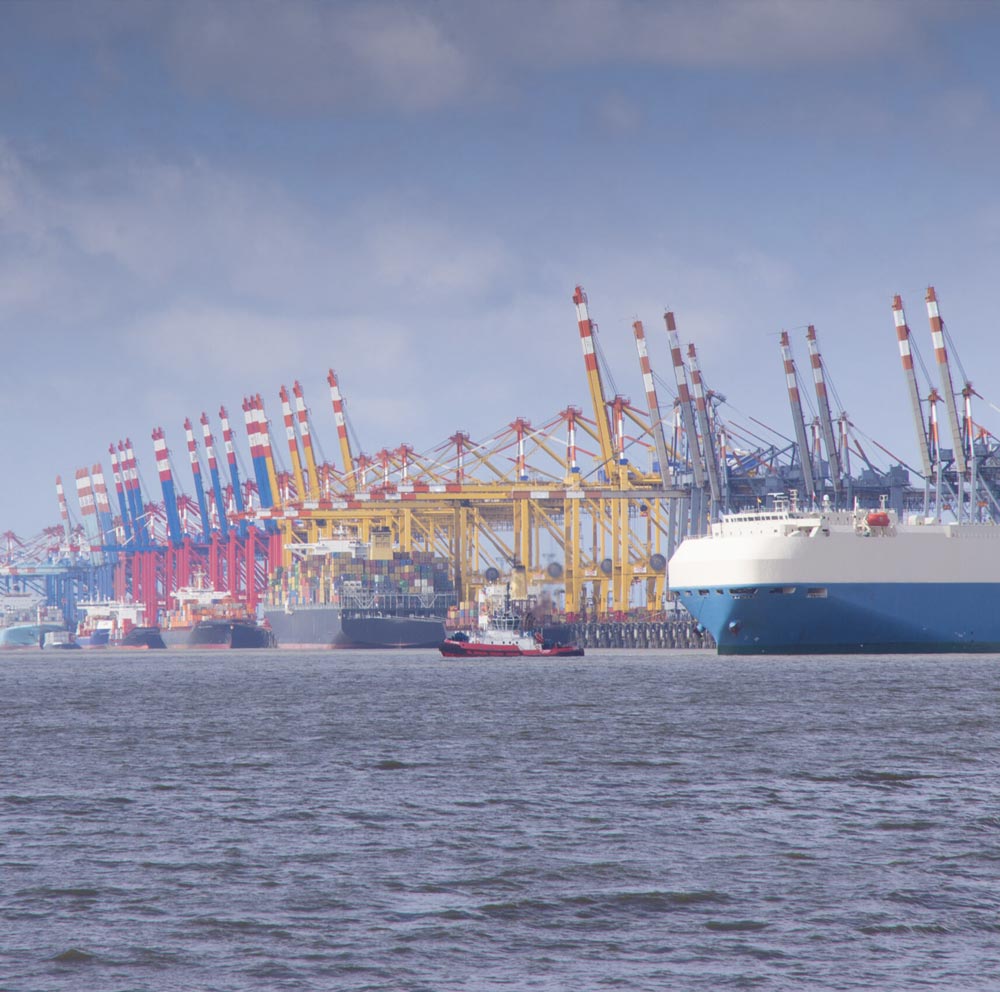
Europe, epicentre of global logistics disruption
May 2025 saw unprecedented port congestion: the main ports of northern Europe (Bremerhaven, Hamburg, Antwerp, Rotterdam and Felixstowe) became the focus of a logistical crisis. According to the latest data, waiting times increased by up to 77% in Bremerhaven and 49% in Hamburg, triggering a domino effect that has impacted the global supply chain.
What’s behind Europe’s port congestion?
- Labour shortages and strikes (such as the one on 20 May in Antwerp)
- Low water levels in the Rhine, hindering barge traffic and limiting operational capacity
- Saturation of yards and accumulation of ships, forcing shipping companies to seek alternatives to the dockside, instead transporting containers by land
Immediate effects: delays, increased costs and pressure on the supply chain
1. Increased logistics costs
Shipping companies such as MSC have already announced congestion surcharges starting in June, particularly affecting routes between Europe and the Far East. This results in:
- Increased rates for sea freight
- Additional inventory financing and storage costs
- Contractual penalties in sensitive sectors such as the automotive industry
2. Inventory planning under pressure
Uncertainty surrounding delivery times has forced companies to:
- Maintain higher minimum stock levels
- Redirect goods and accumulate stock in Europe, with the risk of saturation and reduced margins
- Constantly adjust forecasting and procurement strategies
3. International domino effect
European port congestion has impacted key hubs in Asia and the United States, driving up global rates and complicating inventory management in markets such as Shenzhen, Los Angeles, and New York.
Why does this matter to your business?
- Increased competition for space on ships and in warehouses, which can delay your deliveries and increase your costs
- Need for more resilient logistics strategies, such as route diversification and inventory optimisation
- Risk of oversupply and price wars in saturated sectors, affecting margins and profitability
Keys to navigating the logistics storm
- Review logistics contracts and consider flexibility clauses
- Invest in supply chain visibility and traceability
- Collaborate with logistics partners to identify alternative routes and modes
- Optimise inventories to avoid both stock shortages and overstocking

- Rotterdam: 435.8 million
- Antwerp: 278 million
- Hamburg: 111.8 million