What Is DeCA and What Changes from 5 October 2026
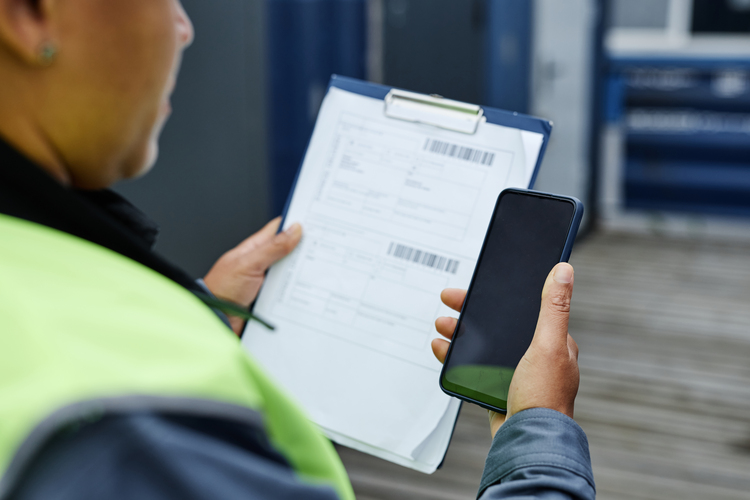
DeCA (Electronic Administrative Control Document) is the digital document used to provide evidence of certain public road freight transport services in Spain.
It is not an entirely new obligation. The administrative control document already existed, but the regulations change the way it must be managed. From 5 October 2026, it must be handled electronically.
For carriers, contractual shippers and logistics operators, this means moving from traditional document management to a system in which transport information must be generated, stored and made available electronically.
In this guide, we explain what DeCA is, when it becomes mandatory, which transport operations it affects, what requirements it must meet and how transport companies can prepare for the change.
What is DeCA in road freight transport?
DeCA is the Electronic Administrative Control Document used to provide evidence of certain transport operations that are required to have an administrative control document.
Its purpose is to identify the essential information relating to a transport operation and ensure that this information can be consulted when required.
Among other information, the document includes:
- The contractual shipper
- The effective carrier
- The origin and destination of the shipment
- The nature and weight of the goods
- The transport date
- The vehicle registration number
The administrative control document itself is not new in 2026. It was already regulated under Order FOM/2861/2012.
The main change is its mandatory digitalisation. Spain’s Sustainable Mobility Law 9/2025 establishes that the document must become electronic from 5 October 2026.
This means that the change is not simply about converting a paper document into a PDF. DeCA must be created as a native digital document and meet a series of technical requirements designed to ensure its availability and traceability.
When will digital DeCA become mandatory?
5 October 2026 is the key date.
From that date, the administrative control document required for certain public road freight transport operations must be managed electronically.
The Resolution of 5 June 2026 also specifies how this electronic document must be created and managed.
The file must be generated before the transport service actually begins using data stored in a software application. The system must also record the date and time of creation and, where applicable, any subsequent changes.
This means companies need to review not only the format of their documentation but also the process used to generate, store and make it available to the driver.
Which transport operations are affected by DeCA?
The requirement mainly applies to domestic transport operations that are subject to the administrative control document.
This includes transport operations whose origin and destination are both within Spain, as well as cabotage operations carried out in Spain.
International road transport is treated differently because the applicable control documents are those established under the relevant international agreements.
The regulations also provide for certain exemptions, including:
- Certain transport operations for which prior authorisation is not required
- Removal services
- Certain transport operations involving damaged or broken-down vehicles
- Some parcel delivery services involving small and easily handled packages
For this reason, companies should first determine what type of transport operation is being performed and which rules apply before deciding what documentation is required.
Who is responsible for DeCA?
Two parties are particularly relevant to this obligation.
Contractual shipper
This is the individual or legal entity that directly contracts the transport service with the effective carrier.
Effective carrier
This is the carrier that physically performs the transport service.
The regulations assign responsibilities relating to the administrative control document to both the contractual shipper and the effective carrier.
As a result, adapting to DeCA does not only affect the driver. It can also involve traffic departments, administration teams, logistics departments and companies that directly contract road transport services.
What requirements must DeCA meet?
The Resolution of 5 June 2026 defines the main technical characteristics that the electronic administrative control document and the system used to generate it must meet.
It must be generated before transport begins
DeCA must be created before the transport service actually begins. The system used must record the date and time of creation so there is a clear record of when the document was generated.
If any information needs to be changed during the transport operation, the system must also preserve the traceability of those changes.
It must be digitally generated
The document must be generated directly from structured data stored in a software application. It is not enough to create a paper document, scan it afterwards and then use that image as DeCA.
The aim is for the information to form part of a digital process from the outset and to remain traceable throughout the document lifecycle.
It must be in PDF format
DeCA must be created as a native digital PDF and the file size must not exceed 5 MB.
This PDF is the document that must remain stored and available for consultation during the transport service and throughout the required retention period.
It must include a QR code
The document must contain a QR code that provides access to the electronic file associated with the transport operation.
This makes it easier to locate the correct document quickly during an inspection without relying on manual searches or files sent through other channels.
It must have a unique URL
Each DeCA must be linked to a specific and unique HTTPS URL.
The address must provide access to the corresponding document and allow the PDF to be downloaded directly during the transport operation without additional steps that make access more difficult.
It must be retained for at least one year
The contractual shipper and the effective carrier must be able to retain or access the electronic document for at least one year.
This means the documentation cannot only remain available while the transport operation is in progress. The system used must also allow it to be retrieved later if a review, consultation or verification is required.
Does the driver need to carry DeCA in the vehicle?
The driver must have access to the documentation before beginning the transport service.
It can be carried:
- As an electronic copy accessible from a mobile device
- As a printed paper copy
In both cases, the corresponding QR code must be included.
The driver may also have the QR code available as a separate file.
Therefore, the requirement for the control document to be generated electronically does not mean that carrying a printed copy in the vehicle is prohibited.
During an inspection, the driver can show the document containing the QR code or provide the QR code itself to give access to the PDF.
Does DeCA need to be signed?
No.
The regulations do not establish a signature as a general requirement for the validity of the administrative control document.
This should be distinguished from other transport documents that may have different requirements when they also perform a contractual function.
How to prepare for DeCA
Before 5 October, companies should review three basic areas.
1. Identify which transport operations require an administrative control document
Not every transport service is subject to the same documentary requirements.
The first step is to determine which of the company’s operations require DeCA.
2. Review how transport documentation is currently generated
If the current process still relies on paper documents, scans or manually created files, it will need to be adapted to meet the requirements for electronic documents.
3. Ensure the driver can access the documentation
The driver must have access to the documentation before starting the service and must be able to present it during an inspection.
The system used therefore needs to work both from an administrative perspective and for drivers on the road.
How does Kaira Driver help companies comply with DeCA regulations?
Digitalising transport documentation helps reduce processes based on paper, photographs, emails and files that can be difficult to locate during a transport operation.
With Kaira Driver, carriers can work with a digital eCMR and keep documentation linked to the relevant transport service.
Kaira Driver generates eCMRs and complies with DeCA regulations, making it possible to integrate digital documentation into the carrier’s everyday operations.
This means transport information can be managed through the same digital workflow and remain available when it is needed.
Discover how Kaira Driver works for carriers.
Frequently asked questions about DeCA
Which transport operations need to use DeCA?
It mainly applies to domestic road freight transport and cabotage operations that are subject to the administrative control document. The regulations also provide for certain exemptions depending on the type of service.
What does the driver need to show during an inspection?
The driver can present an electronic copy, a printed copy containing the QR code or the QR code itself as a separate file. The documentation must be available before the transport service begins.
Can a paper document be scanned and used as DeCA?
No. DeCA must be generated as a native digital document using data stored in a software application.
How long must DeCA documents be retained?
The contractual shipper and effective carrier must be able to retain or access the document for at least one year. The system used must therefore allow the documentation to be retrieved throughout that period.
How can a company prepare for DeCA?
Companies should review which operations are subject to the administrative control document and how their documentation is currently generated. They should also ensure that drivers can access the required documents whenever necessary.
From administrative control documents to digital transport management
5 October 2026 marks an important change in the management of road freight transport documentation in Spain.
From that date, the administrative control document must be created and managed electronically, remain accessible during the transport operation and be available for verification when required.
For carriers and logistics companies, the change goes beyond replacing paper with a PDF. It means integrating documentation into digital processes that reduce manual work, improve access to information and make regulatory compliance easier to manage.
With Kaira Driver, carriers can generate digital eCMRs and comply with DeCA regulations, integrating transport documentation into their daily operations.