What We Took Away from Logisforum Marbella 2026: AI, Visibility, and Smarter Supply Chain Decisions
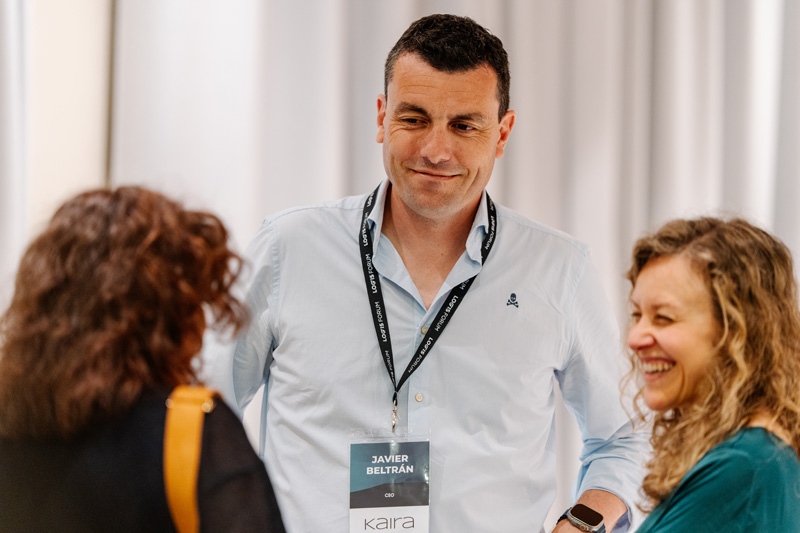
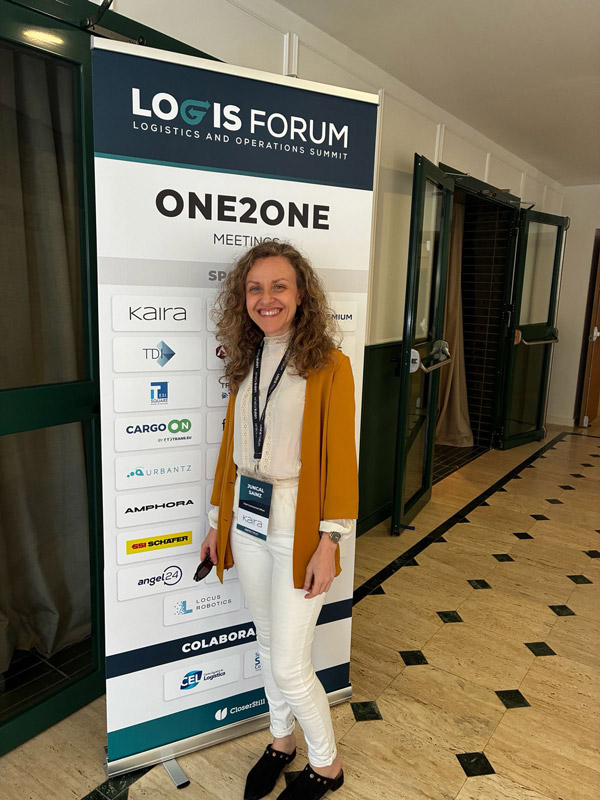
Last week we had the opportunity to attend a new edition of Logisforum in Marbella, one of the leading gatherings for logistics, transport and supply chain professionals. Representing Kaira Digital were Javier Beltrán, CEO, and Juncal Sainz de Vicuña, Chief Commercial Officer.
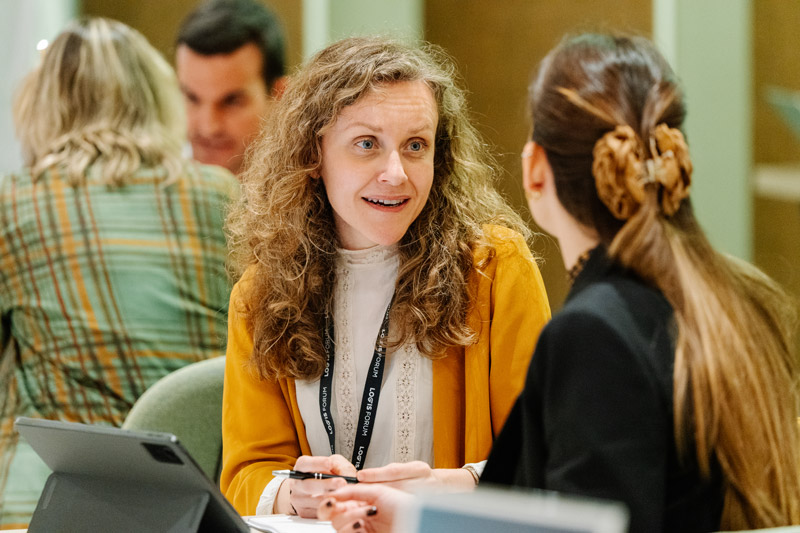
Beyond the presentations and workshops, these kinds of events offer something especially valuable: conversations. The scheduled one-to-one meetings, yes, but also the spontaneous ones over a coffee or lunch. Because that is often where the sector’s real concerns emerge — shared challenges and the opportunities shaping the future of supply chains.
AI is no longer “the future”: it is an operational necessity
If there was one theme running throughout the entire event, it was artificial intelligence applied to operations and supply chain. Not from a theoretical perspective, but a very practical one.
Companies are moving past the question of “how do we incorporate AI?” to focus on something far more concrete: “how do we generate real operational impact?”
Several sessions addressed a common problem: teams are still spending too much time chasing information scattered across ERPs, TMS, WMS, emails and spreadsheets. And that comes at an enormous cost — less time to analyse, anticipate and make decisions.
One of the major points of consensus at the event was precisely the need to move from reactive models towards more predictive and visible supply chains.
From chasing data to anticipating incidents
Another recurring insight was the importance of working with intelligent, automated alerts.
Many companies shared how they are still detecting incidents too late: delays, stockouts, delivery deviations or bottlenecks that are already impacting the customer by the time someone spots them.
The trend is clear: using AI to detect patterns, identify potential risks and provide warnings before the problem occurs or escalates.
This not only improves operational efficiency. It also reduces stress on teams, improves the customer experience and enables decisions to be made with more context and less urgency.
At Kaira we have long seen this need in our clients: increasingly complex operations require systems capable of turning data into actionable insights, not just dashboards.
Talking to your supply chain is now possible
One of the topics that generated the most interest in individual conversations was the democratisation of access to information.
Many organisations still rely on technical profiles or analysts to answer relatively straightforward questions:
- Which orders are at risk of delay?
- Which carriers are generating the most incidents?
- Where are the most exceptions occurring?
- What would be the impact of a delay at a specific supplier?
This is where generative AI is beginning to change the rules of the game.
The ability to query supply chain information using natural language — as if you were talking to a colleague — is accelerating decision-making and making data far more accessible to business profiles.
During the event we saw growing interest in conversational solutions that allow any user to interact with their operations without technical knowledge or constant dependence on BI.
A sector seeking efficiency, but also agility
Another interesting observation was how the logistics sector is increasingly prioritising operational agility over endless projects or transformations that are difficult to put into practice.
Companies want solutions that:
- integrate quickly,
- deliver value from the early stages,
- and help teams work better from day one.
Technology is no longer measured solely by its features, but by its ability to enable faster, smarter decisions.
The value of meeting face to face
Beyond trends and technology, Logisforum once again demonstrated something important: the value of sharing experiences among professionals facing very similar challenges.
And that change is not just about technology. It is about freeing up time, reducing complexity and helping people focus on what really matters: making better decisions.
Thank you to all the professionals we had the opportunity to spend time with in Marbella. See you at the next event.

- integrate quickly
- deliver value from the early stages
- help teams work better from day one