Control your supply chain
Kaira is a platform tailored to your operations that allows you to control your supply chain in one place, from the moment a production order is initiated to the final delivery of a product to the end customer, step by step and end to end.*

Artificial Intelligence at the service of your supply chain
Your personal AI assistant allows you to “talk” to your supply chain in real time.
With multilingual capabilities, kAIra is here to handle all your queries: using natural language processing, it accesses our unified data source, providing answers to any question, in any language.
In numbers
Why Kaira?


What do you get with Kaira?
Visibility
- Get real-time information
- Accurate, consistent and unified data
- A single source of data for all teams
Proactivity
- Stay ahead of the curve; avoid errors and disruption
- Manage your risks
- Get accurate information in advance
Efficiency
- Speed up and reduce costs
- Use generative AI to talk to your supply chain
- Simplify and harmonise your management processes
Quality
- Rate the quality of your providers
- Ensure agile, transparent communication with your customers
- Identify areas where you can improve
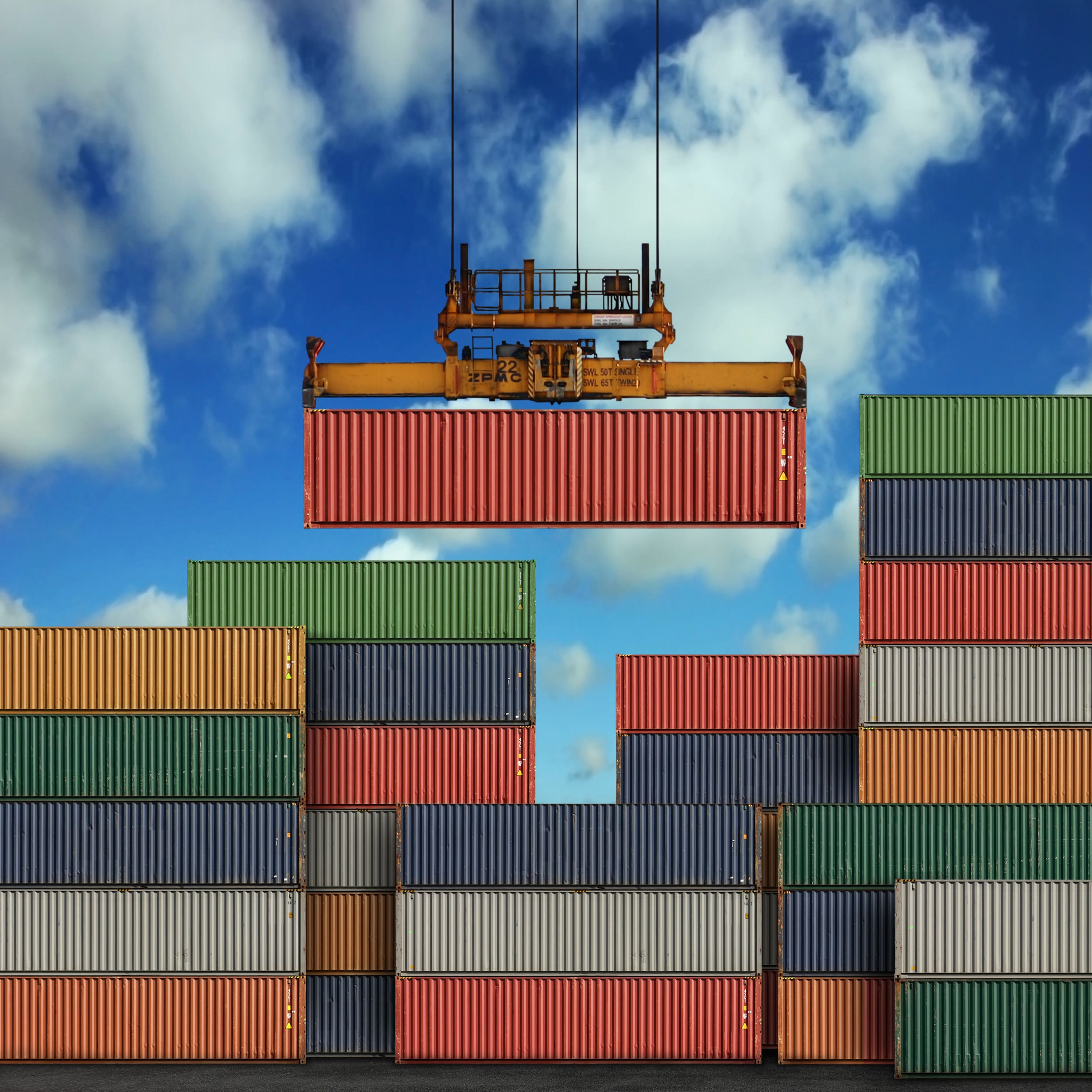
The platform that adapts to your supply chain
Scalable
Scalable platform built around micro-services

Machine Learning
Machine learning to predict incidents and facilitate decision-making

App
Mobile app for IOS and Android

Cloud
Cloud-based solution with high availability
Strategic partners and supply chain experts

Javier Beltrán

Mario Jiménez

Juncal Sainz
Want to try it out

If you would like to learn how we can help you take control of your supply chain, contact us so we can show you more details about Kaira.
Funding from the European Union and the Regional Government of Aragón
The project
Our objetives

