Cocoa crisis drives up prices and impacts food manufacturers
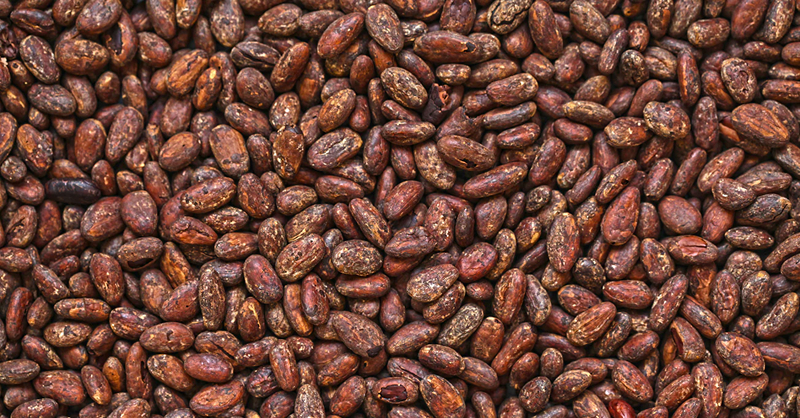
In October 2025, the global cocoa market was shaken by persistent droughts in West Africa, a region that accounts for nearly 70% of the world’s cocoa production. These extreme weather conditions caused a decline in both export volumes and bean quality, especially in key countries such as Côte d’Ivoire, Ghana, Nigeria, and Cameroon. The immediate effect was a 15% rise in the international cost of the raw material, with prices trading well above historical levels and a marked adjustment in supply contracts for European and Latin American manufacturers.
Dates and evolution of the impact
The phenomenon intensified throughout September and October 2025. Data from the ICE exchange indicates that cocoa prices recorded an increase of over 7% in October, reaching levels between 7,700 and 8,000 dollars per metric ton—more expensive than the average observed in the first half of the year. Deliveries from Côte d’Ivoire, the world’s largest producer, fell 2% year-on-year through August 10, while port inventories dropped to record lows: just 2.28 million bags in storage, according to ICE. In Ghana, the Cocoa Board anticipated problems with wilting and poor flowering, suggesting a less abundant main crop (October–March), despite hopes for improvement toward 2026 due to more favorable weather conditions for the “cherelles.”
Consequences for markets and the industry
The price surge has forced major European brands—such as Lindt & Sprüngli and Barry Callebaut—to announce consumer price adjustments for the last quarter of the year, as well as downward revisions to operating margin and sales volume forecasts. Latin American companies specializing in cocoa derivatives also reported difficulties securing supplies, with multiple contract renegotiations and challenges in forecasting inventories.
Meanwhile, the chocolate industry faces weak demand: in the second quarter of 2025, European and Asian grindings fell by 7.2% and 16.3% respectively. This situation creates additional tensions, as manufacturers are forced to pass high costs on to final prices amid declining global consumption.
Underlying reasons and analysis
The main factor behind the crisis is climate change, which has substantially increased the frequency of days with temperatures exceeding 32°C and 90°F in producing regions. Since 2015, Côte d’Ivoire and Ghana have recorded 40 additional days per year with temperatures at the limit of optimal cocoa development, affecting both the volume and quality of the beans. Additionally, heavy rains alternating with droughts make drying more difficult and increase the incidence of diseases in cocoa plantations, leading to higher agricultural costs and compelling African research institutes and multinationals such as Mars to accelerate the development of genetically resistant varieties.
Furthermore, smuggling has also played a role in reducing inventories: in the 2024–2025 season, Côte d’Ivoire lost between 100,000 and 150,000 tons due to the illegal outflow of beans, adding pressure to the regulated market.
Projections and mitigation strategies
In the short term, the market remains tight and sensitive to any disruption in the harvest, with expectations that prices will stay high and that price increases for end consumers will materialize in Europe throughout November and December. Experts and international organizations point to the need to invest in climate resilience, genetic editing (CRISPR), and sustainable certification to stabilize the sector, as well as to promote responsible consumption practices and diversified sourcing models in response to future climate crises.
The October 2025 crisis has served as a global warning about the vulnerability of the food supply chain to climate change and the urgent need for structural and technological solutions in strategic crops such as cocoa.
