Challenges in supply chain management
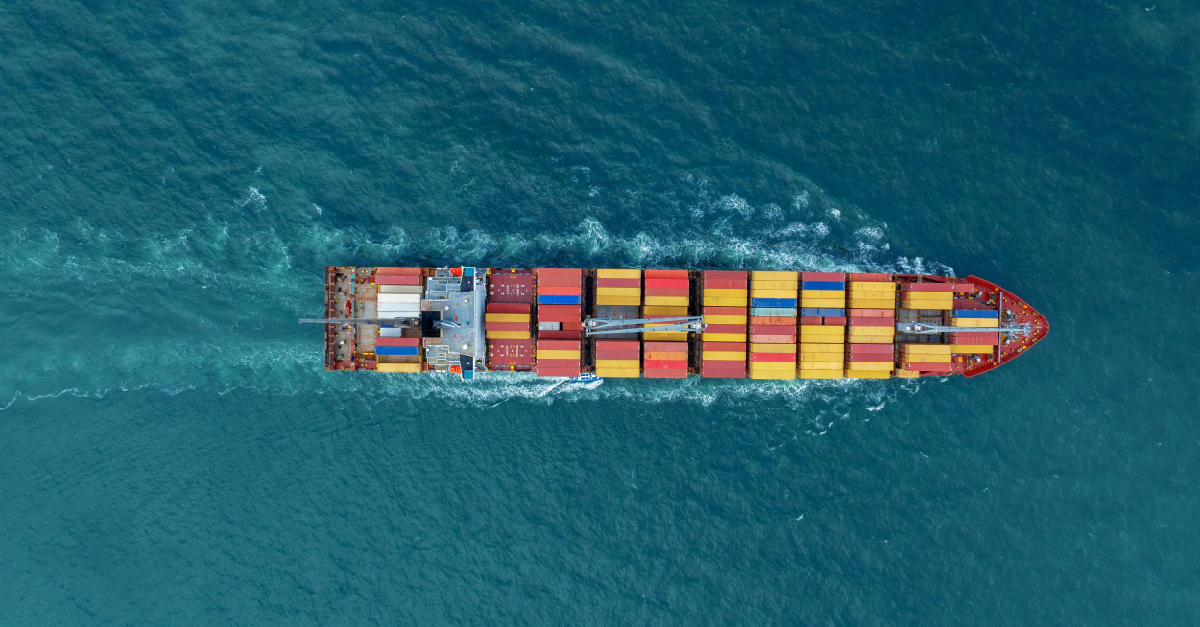
The most important thing when managing a supply chain is organisation. It is essential to have a solid foundation and be prepared for any challenges that may arise. Monitoring distribution networks has gone from being a logistical operation to becoming a strategic driver for organisations. However, changing environments, technological growth and the increasing demand for sustainability pose increasingly complex challenges. Overcoming them requires not only adaptation, but also an analytical and strategic approach. Supply chain managers need to adopt an approach that combines immediate responsiveness with a long-term vision, optimising processes, strengthening alliances and leveraging emerging technologies.
What are the potential challenges? How can they be addressed?
1. Escalating logistics costs and their impact on profitability: rising fuel prices, transport tariffs and storage costs have caused supply chain operating expenses to skyrocket.
- Challenge: balance profit margins without compromising service quality.
- Alternative: implement route optimisation through transport management systems (TMS) and shipment consolidation to reduce expenses. In addition, renegotiate contracts with carriers or diversifying logistics partners can cushion cost fluctuations.
2. Raw material shortages and supply disruptions: low availability of key inputs has affected sectors such as automotive, technology, and consumer goods.
- Challenge: avoid production stoppages due to lack of critical inventory.
- Alternative: develop strategic inventories and collaborate more closely with suppliers through long-term supply agreements. Advanced planning tools, such as MRP II (Manufacturing Resource Planning), help anticipate disruptions of this type.
3. Compliance with stricter trade regulations: globalisation has brought with it tighter trade regulations, particularly in the areas of safety, cross-border trade and sustainability.
- Challenge: ensure regulatory compliance without slowing down operations.
- Alternative: automate documentation processes and use compliance platforms, such as Global Trade Management (GTM), to streamline the movement of goods and ensure compliance with local and international regulations.
4. Multichannel and large-scale personalisation: the boom in e-commerce and consumers’ expectations of short delivery times are forcing companies to optimise their chains for multiple channels.
- Challenge: manage inventory and deliveries efficiently in a high-demand environment.
- Alternative: adopt hybrid distribution models that combine centralised warehouses with real-time inventory management systems.
5. Continuous monitoring and process improvement: the supply chain is never static. Continuous improvement cycles are essential to maintaining competitiveness in a dynamic environment.
- Challenge: identify inefficiencies in a timely manner.
- Alternative: implement process review programmes, such as the PDCA (plan, do, check, act) cycle, and use specific KPIs such as cycle time, order fulfilment rate and logistics costs per unit.
The challenges in supply chain management are not insurmountable barriers, but indicators of areas that need improvement. By adopting an approach based on technology, sustainability and training, supply chain professionals can overcome them and turn them into competitive advantages. The key is proactive leadership, backed by data and a strategic vision.