Types of Suppliers: A Complete Classification for Your Business
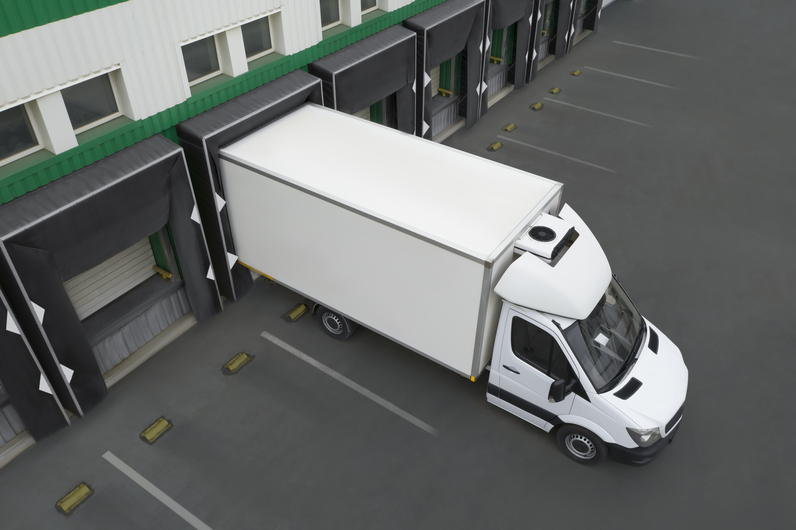
A supplier is the person or company that provides another organization with the goods, raw materials, or services it needs to operate. Not all of them serve the same function or carry the same strategic weight: understanding the different types of suppliers is the first step toward managing business relationships better and anticipating risks in the supply chain.
What a supplier is
It’s any person or company that provides the goods, materials, or services another organization needs to carry out its activity. No business produces everything it needs on its own, which is why supplier relationships are a structural part of any company, whether a small business or a large corporation.
Types of suppliers by what they supply
The most common way to classify these players is by the type of supply they provide:
- Raw material suppliers: essential for manufacturing companies, since they provide the basic materials that get transformed into the final product. Without them, production can’t start.
- Finished goods suppliers: provide already-processed items, ready to resell or use directly, common among retailers and trading companies.
- Service suppliers: offer intangible solutions, from software and consulting to transportation or cleaning. Reliability and adaptability are the key criteria here.
- Resource suppliers: cover the company’s financial needs, such as financial institutions, capital partners, or credit cooperatives.
Types of suppliers by business model
They’re also classified by how their products reach the buying company:
- Manufacturers: produce directly what they sell.
- Wholesalers: buy in large volumes and distribute to other companies, without manufacturing themselves.
- Importers: bring items from other countries into the domestic market.
- Merchants or intermediaries: manage orders and connect manufacturer and buyer, without ever storing the goods themselves.
Internal versus external
Not every supplier is outside the organization. An internal department can act as a supplier to another when it delivers reports, studies, or any resource needed for that second department to do its job. External suppliers, on the other hand, belong to other specialized companies, with structures and experience specifically built for that function.
By their role in the purchasing process
From a purchasing management perspective, it’s common to distinguish:
- Regular: not part of the standard registry, requiring several quotes before closing each purchase.
- Approved or trusted: have already proven good performance, reducing the need to compare quotes on every order.
- Specific: offer products or services with no clear substitute on the market, which reduces the buying company’s negotiating leverage.
- Contract-based: maintain a formal, stable purchase agreement with the company, with terms already negotiated.
Classification by criticality: the ABC model
Applying the same logic as ABC inventory analysis, many purchasing departments classify supplier types by the level of risk or impact they represent:
- Type A (critical): high purchase volume or a product with no easy alternative. They require priority monitoring and contingency plans.
- Type B (important): moderate impact, regular but less intensive monitoring than critical suppliers.
- Type C (non-critical): low impact on costs or operations, simpler management with no need for constant negotiation.
This classification helps decide where to focus monitoring effort: it makes no sense to dedicate the same level of oversight to an office supplies vendor as to one the entire production line depends on.
Your supplier’s supplier matters too
Think about your Type A supplier, the most critical one, the one that never lets you down. Now ask yourself: do you know who supplies their own materials? Most companies have no idea, and that’s exactly where the seemingly strongest chains break.
A delay at a Tier 2 supplier, someone your company has never had direct contact with, can turn into a delay from your most trusted supplier without anyone seeing it coming. Supply chain visibility extended beyond the direct contract is the only thing that makes it possible to anticipate that kind of failure, instead of discovering it the same day the order doesn’t arrive.
Frequently asked questions
How many types of suppliers are there?
There’s no fixed number of types of suppliers, it depends on the classification criteria used: by type of supply, by business model, by role in the purchasing process, or by criticality level. A single company can apply several criteria at once to better manage its supplier portfolio.
What’s the difference between a supplier and a creditor?
A supplier delivers the goods or services the company’s activity needs. A creditor is any third party the company owes money to, which includes suppliers with pending invoices, but also banks, employees, or tax authorities.
Why classify suppliers by criticality?
Because not all of them pose the same risk if something goes wrong. Classifying them lets you concentrate monitoring resources and contingency plans on the few suppliers that, if they run into a problem, can bring the entire operation to a halt.
Can the same supplier fall into several categories?
Yes. A supplier can be, at the same time, a manufacturer, critical under the ABC model, and contract-based if it has a stable agreement. These classifications aren’t mutually exclusive, they complement each other to give a more complete picture of each business relationship.
What does multi-tier supplier visibility mean?
It means being able to see not just a company’s direct suppliers, but also the suppliers of those suppliers, in order to detect supply risks before they reach and affect the company’s own production.